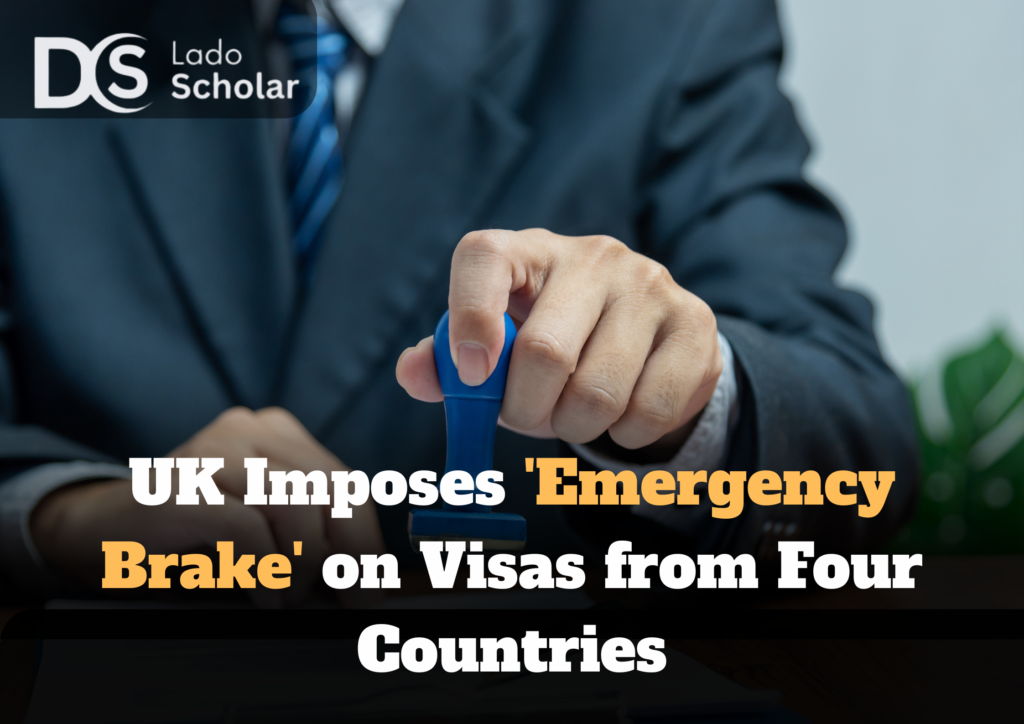
London, March 5, 2026 – In a significant and unprecedented move, the United Kingdom has activated an “emergency brake” mechanism under its immigration rules, suspending key visa categories for nationals from Afghanistan, Cameroon, Myanmar, and Sudan. Announced on March 3–4, 2026, by Home Secretary Shabana Mahmood, the policy targets what the government describes as widespread abuse of legal migration pathways, particularly the use of study visas as a route to claim asylum once in the UK.
The restrictions, set to take effect from 12:01 a.m. on March 26, 2026, following an Immigration Rules change laid on March 5, include:
- A complete halt on new sponsored study visas for nationals of all four countries, Afghanistan, Cameroon, Myanmar, and Sudan.
- Suspension of Skilled Worker visas specifically for Afghan nationals.
Existing visa holders from these countries are unaffected, meaning those already in the UK on valid study or work permissions can continue their stay, extend, or switch categories under normal rules. The ban applies only to new entry clearance applications submitted from outside the UK on or after the effective date.
Home Office officials cited a sharp rise in asylum claims from individuals who initially entered legally. Data shared in the announcement highlighted that asylum applications from people arriving via legal routes (including study visas) have increased substantially, more than fivefold for nationals from these four countries between 2021 and 2025 in some cases. The government argues that this pattern represents exploitation of the UK’s “generosity,” with some entrants using student status as a backdoor to the asylum system rather than genuine study intentions. Asylum claims overall from legal entrants reportedly rose 470% over the same period, prompting the first-ever use of this emergency power.
Australia Set to Enforce Agent Commission Ban on Onshore International Student Transfers
The decision reflects broader efforts under the current administration to tighten border controls, reduce pressure on public services (housing, NHS, welfare), and restore confidence in the immigration system amid ongoing political debates on migration. Home Secretary Mahmood emphasized that the UK remains open to genuine students and workers but will no longer tolerate perceived misuse.
Critics and observers have noted potential implications:
- Universities and education providers relying on recruitment from these countries may face enrollment drops, particularly in fields like medicine, engineering, or business, where students from these nations have been prominent.
- The move could strain diplomatic relations or educational partnerships with the affected countries, especially amid ongoing conflicts or instability in Afghanistan, Myanmar, and Sudan.
- Some commentators question whether the blanket suspension adequately distinguishes between genuine applicants and those with ulterior motives, potentially deterring talented individuals from applying.
The policy is described as temporary, with the Home Office indicating a review of safeguards and possible reinstatement once the asylum system stabilizes or targeted fixes are implemented. No fixed end date has been specified, but the government has signaled plans for new “safe and legal” capped routes in the future.