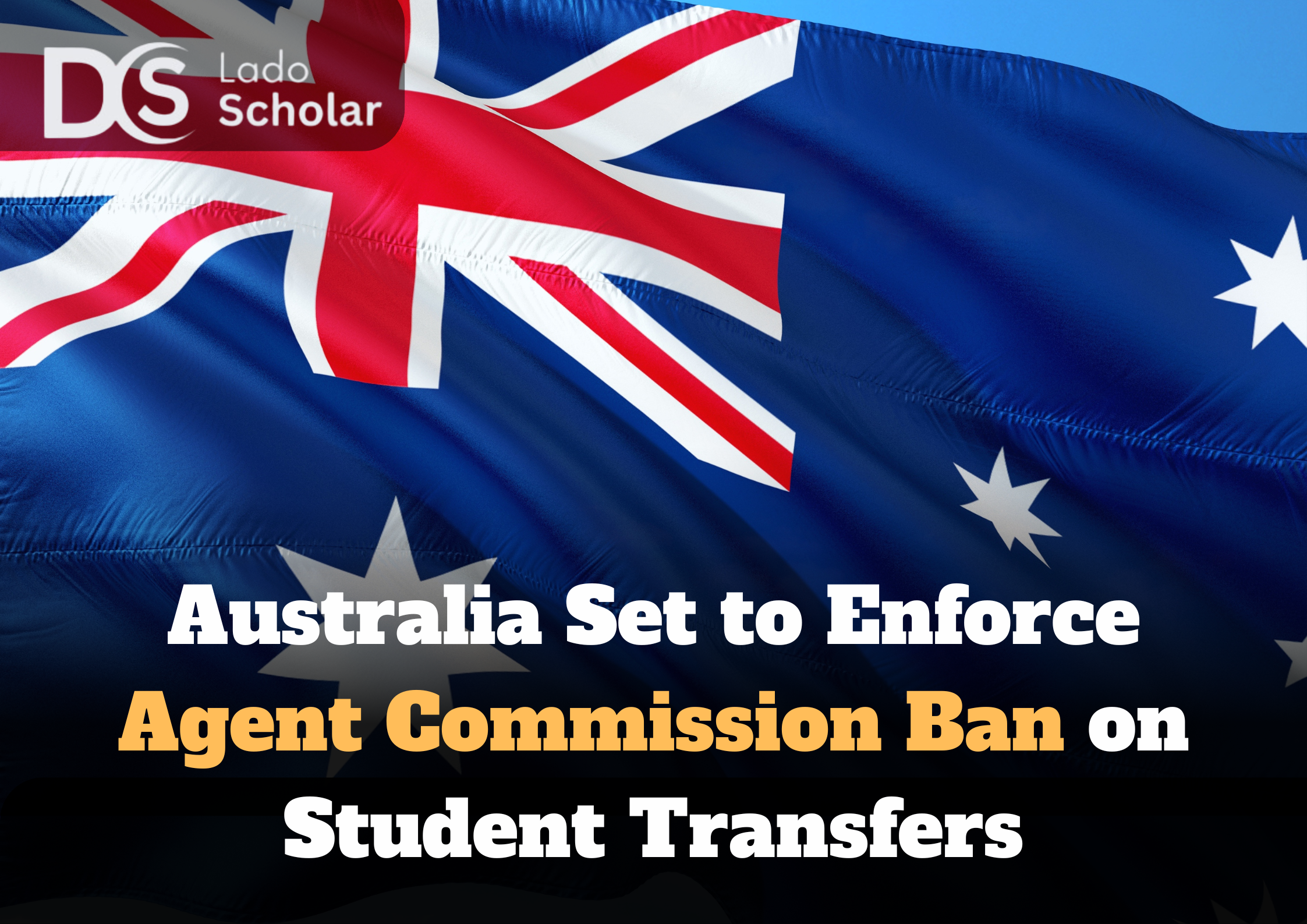
Canberra, March 2, 2026 – Australian education providers face a major regulatory shift as a new ban on paying commissions to education agents for onshore student transfers is scheduled to take full effect on March 31, 2026. This change, introduced through amendments to the National Code of Practice for Providers of Education and Training to Overseas Students 2018, prohibits institutions from offering financial incentives, such as recruitment commissions, bonuses, or other benefits to agents when an international student already studying in Australia switches to a different provider or course without completing their original program.
Ethiopia’s International Schools Challenge New 30% Foreign Student Quota
The policy targets “course hopping” or unnecessary mid-program transfers, which authorities say can undermine student welfare, visa integrity, and the overall quality of Australia’s international education sector. Previously, no such restrictions existed on agent commissions for onshore recruitment, allowing providers to pay agents freely for bringing in transferring students. The ban removes this financial motivation, aiming to ensure transfers are genuinely in the student’s best interest, such as for academic progression, better course fit, or legitimate personal reasons, rather than agent-driven.
Under the updated rules:
- The prohibition applies to students who become “accepted” (i.e., receive a formal offer and Confirmation of Enrolment, or CoE) at the new provider after March 31, 2026.
- A transitional grace period allows commissions to continue for students accepted on or before that date, giving providers and agents time to adapt existing contracts.
- Limited exceptions remain: commissions can still be paid for transfers to courses explicitly listed on the student’s original visa/CoE package, or for progression after completing the principal (first) course of study.
- The rule does not affect students paying agents directly for advice, nor does it block onshore transfers themselves, students can still change institutions, but without agent commission incentives from the receiving provider.
Education agents, particularly those in source markets like Nepal, India, Turkey, and others, will feel the impact most directly, as onshore transfers have been a common recruitment channel. Providers (universities, vocational colleges, and schools) must now review agent agreements and recruitment strategies to comply, potentially shifting focus toward offshore recruitment or direct student pathways.
Asia-Pacific Association for International Education (APAIE) 2026 Kicks Off in Hong Kong
The Department of Education has emphasized that the measure safeguards students by removing incentives for non-genuine switches, while still allowing legitimate mobility. As the March 31 deadline nears, stakeholders are advising international students planning transfers to act early if agent involvement is key, and agents to adjust business models accordingly.